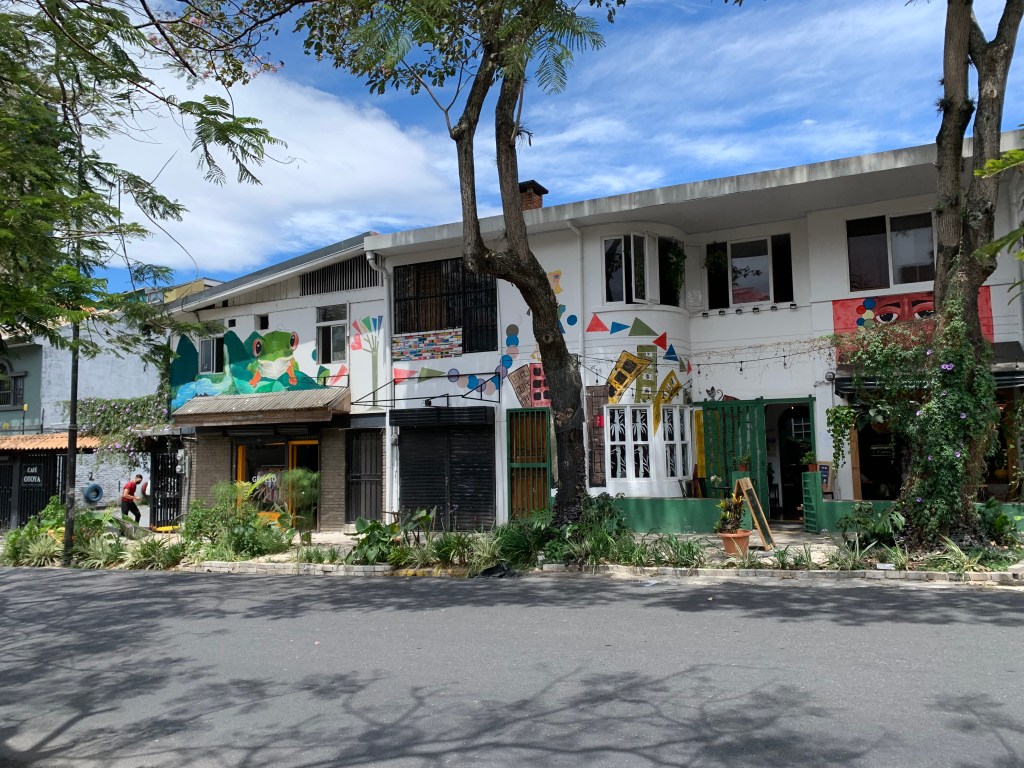
For solo trips to new places where you don’t know anyone, I always recommend taking a guided tour on the first or second day. Having a local’s perspective can provide intriguing insights into a people’s philosophy, point you toward hidden gems—and potentially save your ass.
The tour I took on my second day in San José was incredible, but not for the reasons I expected. I found it through Airbnb Experiences: a walking tour of the city with a small group that included me and a couple from Portland, Oregon. Our guide was Rodrigo, a man who would challenge every romantic notion I’d brought with me about Costa Rica’s environmental paradise.
A City That Tells Stories
Rodrigo talked the entire time, weaving history and culture together as we moved from landmark to landmark. San José revealed itself not as the pristine eco-capital I’d imagined, but as a city of contradictions, resilience, and fascinating complexity.
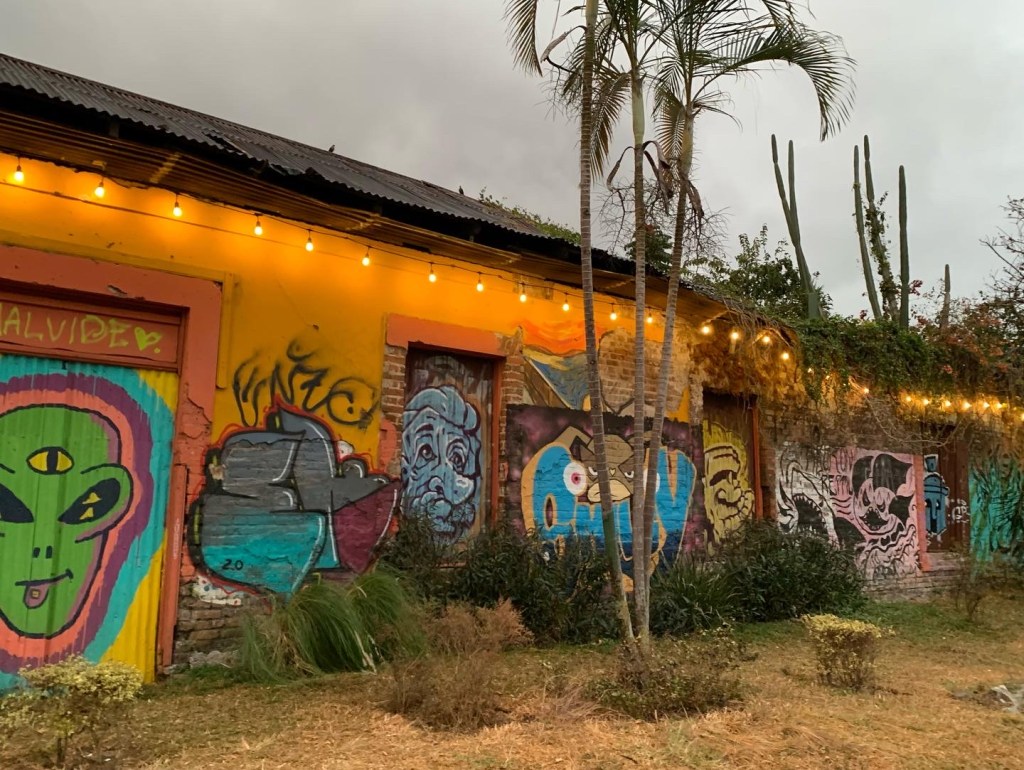
We saw graffiti covering walls throughout the city. “It used to be illegal,” Rodrigo explained, “but in recent years it was declared public art. Now you see it everywhere.” The vibrant murals transformed what could have been urban decay into open-air galleries.
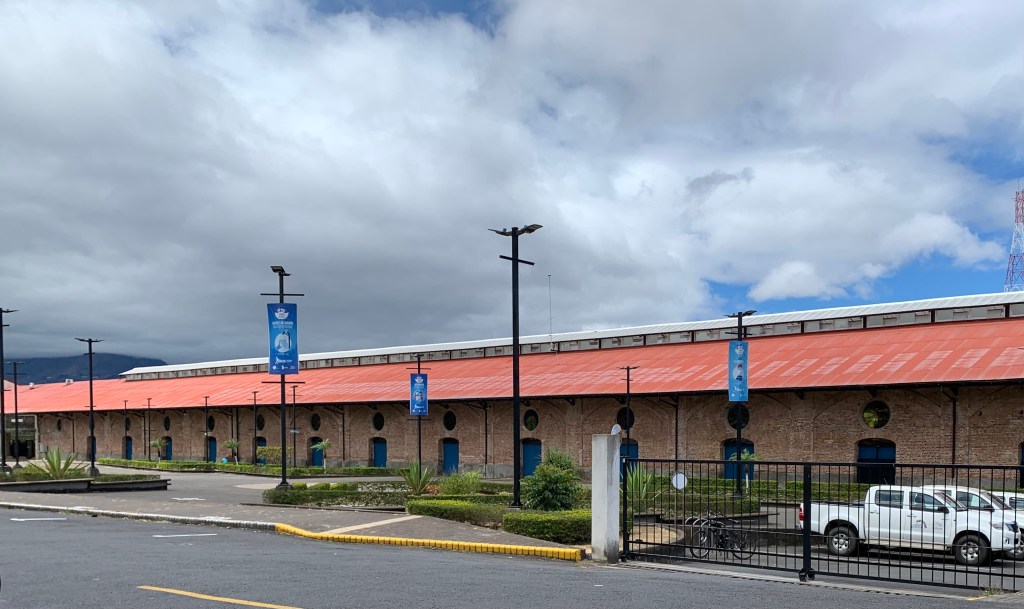
We visited the old customs building, a relic from the era before airports when trains were the primary mode of transporting goods. Now it hosts cultural events—a pattern we’d see repeated throughout the city, where historical infrastructure finds new life rather than being demolished.
In Parque Nacional, we stopped at a bust of one of Costa Rica’s most complicated leaders—a president who introduced vital social services after World War II but whose legacy was tarnished by later actions. History here wasn’t sanitized or simplified. It was presented honestly, complications and all.
The Stories We Don’t Tell
Then we came to a statue of William Walker, and Rodrigo’s demeanor shifted slightly.
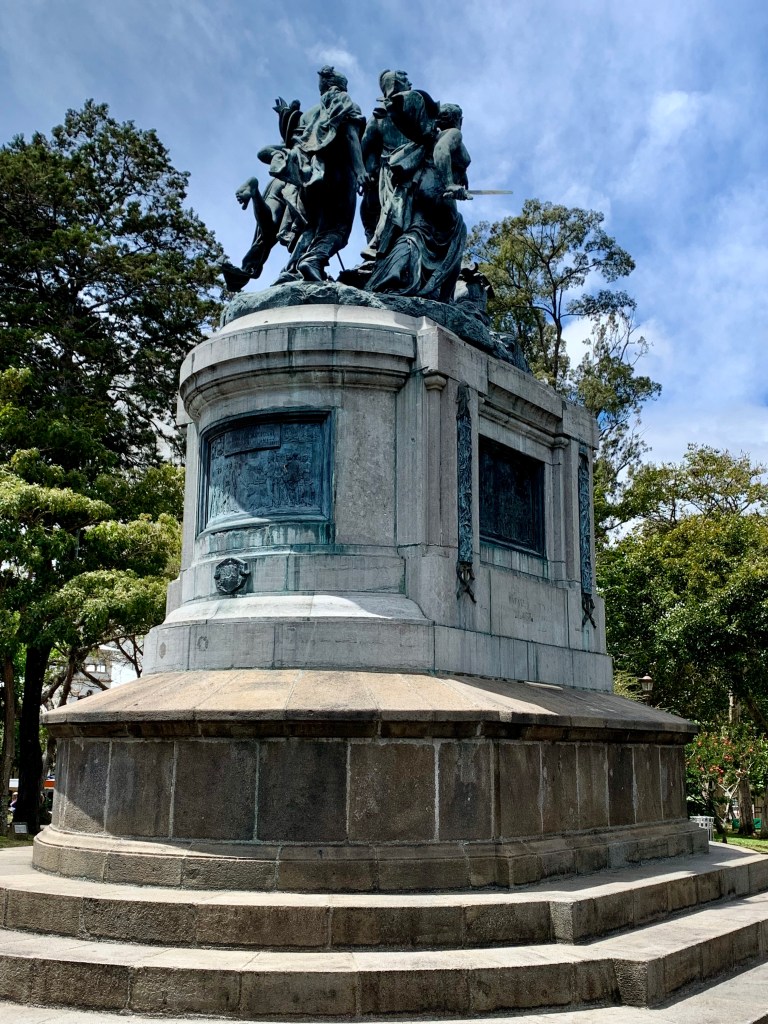
“This is a story the US is not proud of,” he began.
He told us about Walker, a 19th-century American adventurer who attempted to shift cotton production from the American South to Central America. Walker tried to conquer Nicaragua, briefly becoming its president before being driven out by a coalition of Central American nations in the mid-1850s. Costa Rica played a crucial role in that defense, and the campaign became a defining moment in Costa Rican national identity—a David-versus-Goliath story of defending sovereignty against foreign invasion.
The hero of that resistance, Juan Santamaría, is commemorated with monuments throughout the country. But standing there with two other Americans, hearing this story from Rodrigo’s perspective, I felt the weight of how differently history looks depending on where you’re standing.
This is what travel does—it shows you the shadows your own country casts on other nations’ stories.
A City of Unexpected Juxtapositions
We continued walking, and the city kept surprising me.
There’s a piece of the Berlin Wall here, standing in a park thousands of miles from where it once divided a city and a world.
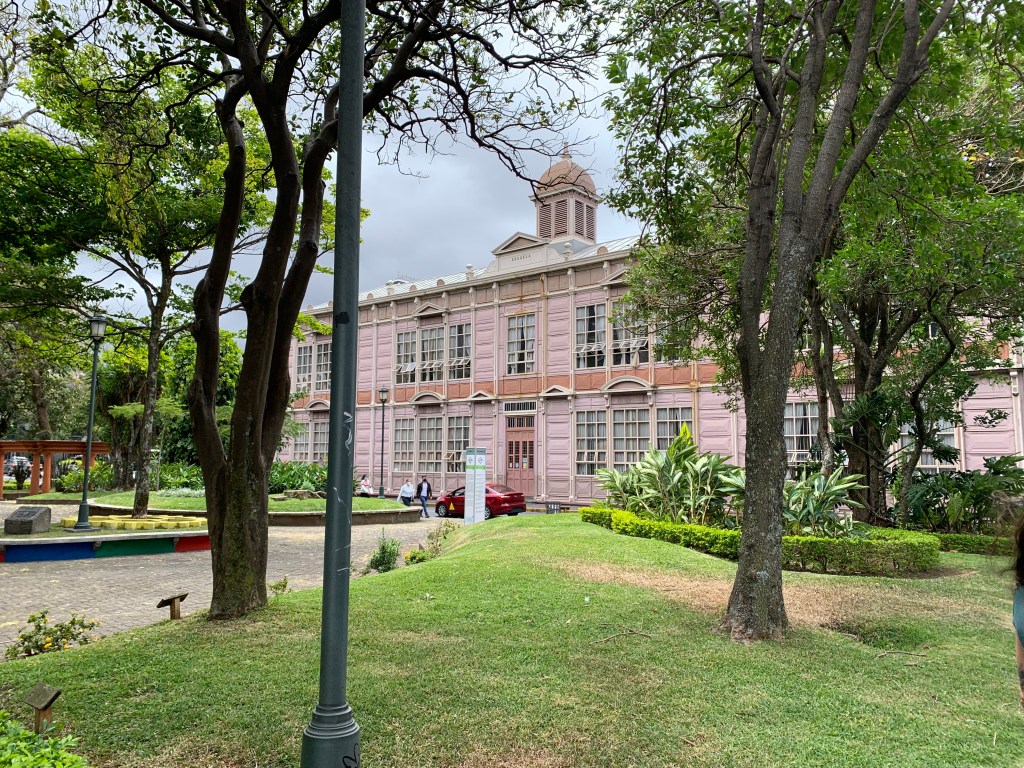
We saw the building that Costa Rica “stole” from Chile—a prefabricated structure shipped from France that was somehow redirected here. It’s now a school, and we could peek through windows to see children studying inside.
A statue of Anne Frank stands next to a Catholic church. “Costa Ricans loved her story so much that Amsterdam gave them this statue,” Rodrigo explained. The irony wasn’t lost on any of us—the church had not helped Jews during the Holocaust, yet here stood Anne’s statue in its shadow, bearing witness.
“Architecture in Costa Rica has no continuity and doesn’t make sense,” Rodrigo said matter-of-factly. “This is an accepted fact, not an opinion.”
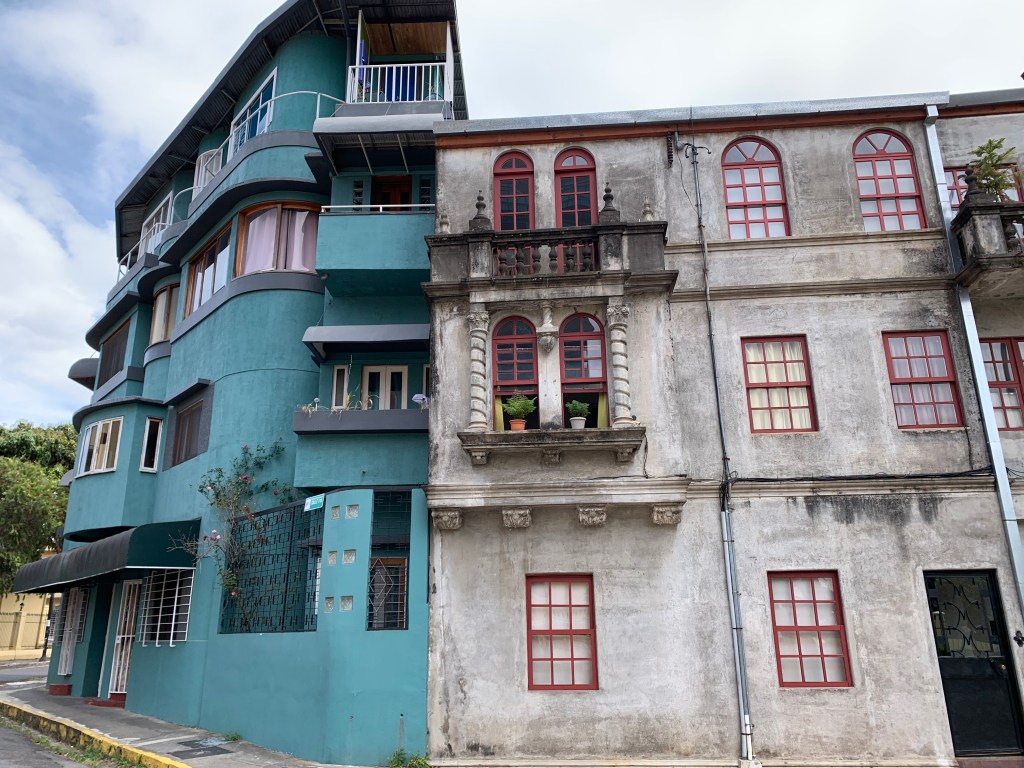
And it was true. The city is a patchwork of styles, eras, and influences with no unifying aesthetic—and somehow, that made it more honest. San José didn’t pretend to be something it wasn’t. It embraced its own contradictions.
The Question I’d Been Waiting to Ask
We walked through the Red Cat tunnel into the newer part of the city, where Rodrigo took us to sample traditional street food. We tried the best empanadas in town, tasted unique Costa Rican fruits unavailable in the US, and visited an authentic ice cream shop that’s been operating since 1910. They sell only one flavor: sorbetera, a delicious spiced vanilla ice cream with hints of cinnamon and clove. It was all we needed.
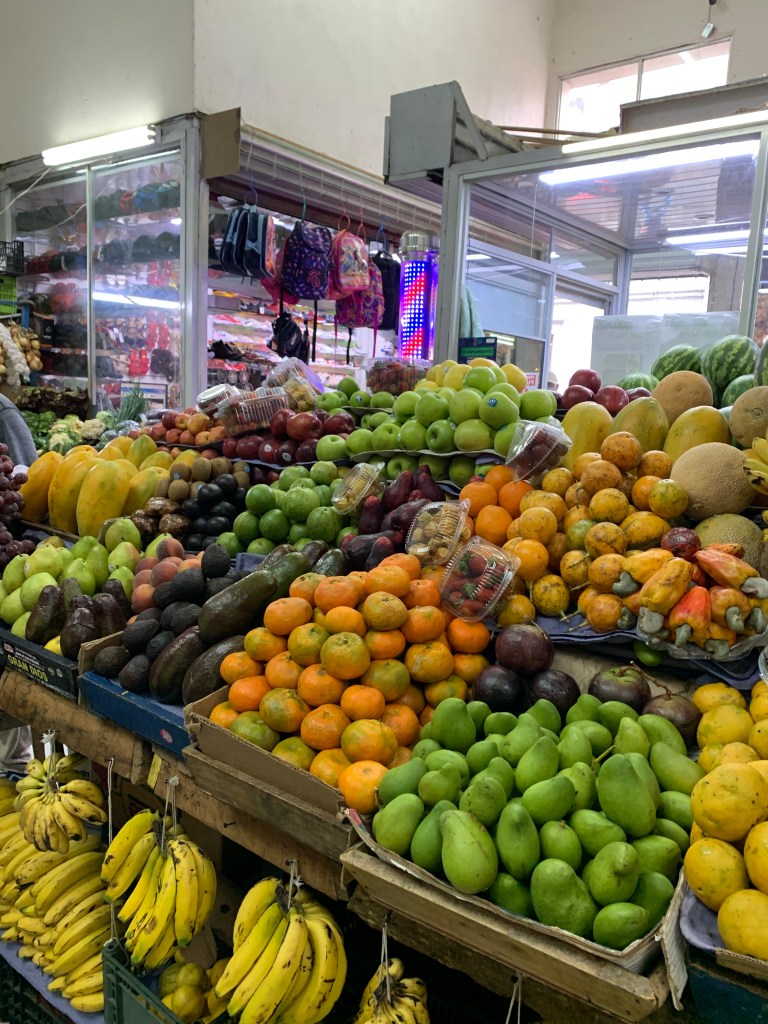
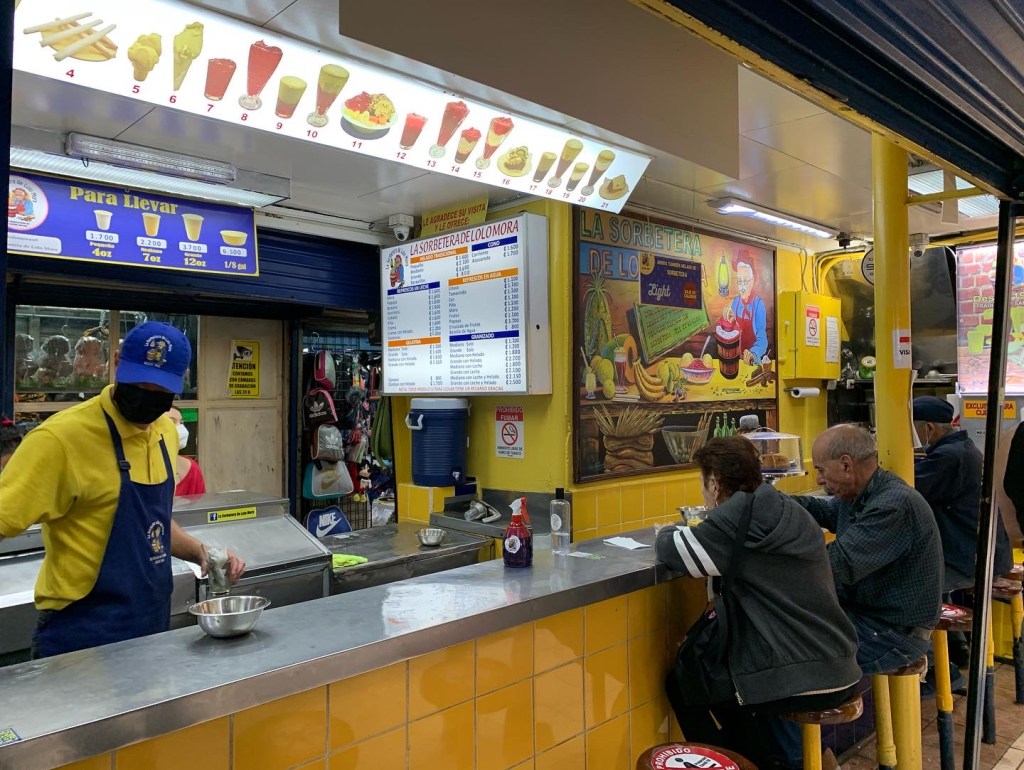
As we ate, Rodrigo mentioned that Costa Rica was the first country outside the US to get a McDonald’s. He showed us statues of Costa Rican people from before meat was introduced to their diet—they were quite short by modern standards.
Finally, I asked the question I’d been holding onto: “What’s the Tico perspective on sustainability?”
Rodrigo didn’t give me the answer I expected. He didn’t wax poetic about Costa Rica’s love of nature or deep environmental consciousness.
“Sustainability is more of a government initiative,” he said, “due to the perceived gold mine of tourism.”
He paused, then continued. “The general public doesn’t necessarily care about environmental health and sustainability. They’re just looking for opportunities to make a buck. Since Costa Rica doesn’t have valuable natural resources like gold and oil, nature itself is our greatest value.”
Paradise as Economic Strategy
I stood there processing this, my romantic notions about Costa Rican environmental consciousness unraveling.
It wasn’t that Costa Ricans didn’t care about nature—many certainly did—but the national commitment to conservation wasn’t primarily driven by some inherent cultural reverence for the earth. It was strategic. Pragmatic. The government had recognized that in a globalized economy where they couldn’t compete on natural resources or manufacturing, their landscapes could become their competitive advantage.
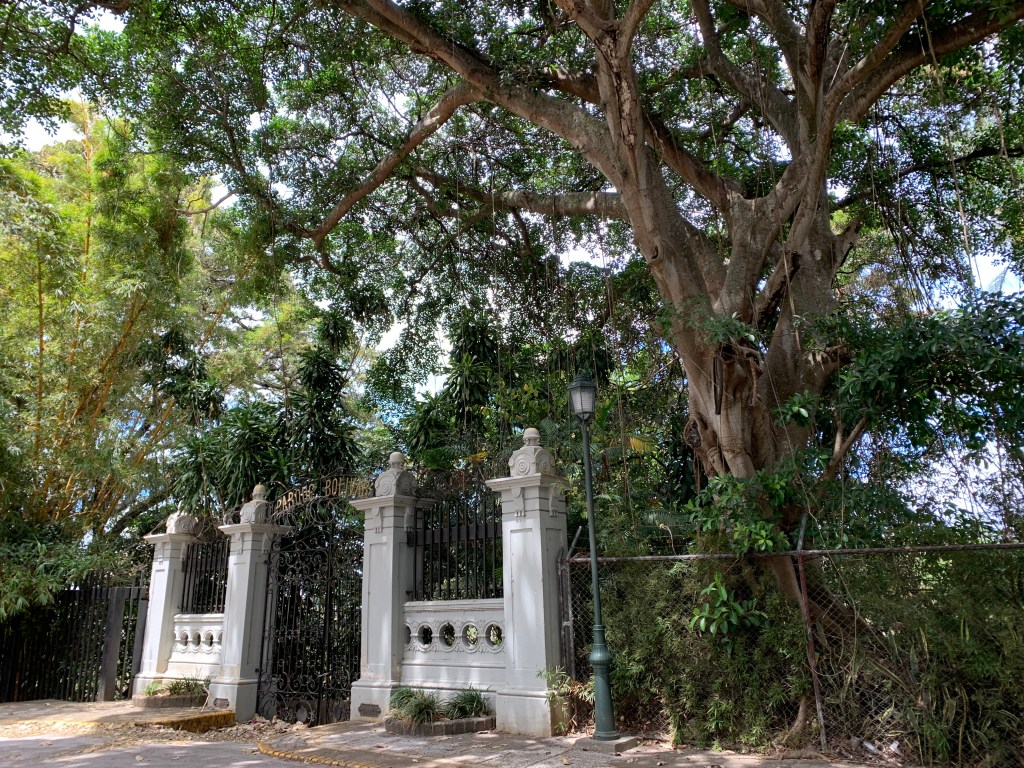
Costa Rica had spearheaded sustainable tourism initiatives aligned with the United Nations Sustainable Development Goals. They’d abolished their military in 1948 and redirected those funds toward education and environmental protection. They’d become the poster child for ecotourism.
But according to Rodrigo, much of this was top-down policy rather than bottom-up cultural movement. The people followed because tourism brought opportunity, not necessarily because of deep ecological philosophy.
Was this disappointing? Initially, yes. But as I reflected on it, I realized it was actually more interesting—and perhaps more useful.
The Honesty of Economic Environmentalism
Here’s what Rodrigo’s honesty taught me: sustainability doesn’t have to be rooted in spiritual connection to nature to be effective. Sometimes it just needs to make economic sense.
Costa Rica proved that a country could protect its forests, wildlife, and ecosystems not because everyone suddenly became enlightened environmentalists, but because protecting nature became profitable. And the results were real—reforestation, species recovery, thriving national parks.
In some ways, this is more replicable than hoping every nation undergoes a cultural awakening. If Costa Rica’s model works—if conservation can be economically advantageous—then other countries might follow not out of moral obligation but out of practical self-interest.
The environment doesn’t care why we protect it, only that we do.
Resourcefulness as Survival
Rodrigo himself embodied the Tico spirit of resourcefulness he’d described. He used to own an ice cream shop before the pandemic, but when it shut down, he pivoted to working as a tour guide.
“Ticos are especially good at adapting to changing times,” he said. “During the pandemic, we all experienced how crucial that skill is.”
This adaptability extended beyond individuals. The city itself constantly repurposed old buildings—the customs house became an event space, the alcohol distillery became a cultural museum. Nothing was wasted; everything found new life.
It struck me that this resourcefulness was its own form of sustainability, perhaps more fundamental than any government policy. When people know how to adapt, to find new uses for what exists rather than constantly building new, they create resilience.
What San José Taught Me
My third and final day in San José was quiet. I stayed around my neighborhood, went to a café for breakfast, swam in the heated pool in my building (though it was shaded by the tall structure and the air was chilly). Later I watched “Licorice Pizza” at the local movie theater, then ate at a tourist-friendly restaurant with live music. Pura vida, as they say.
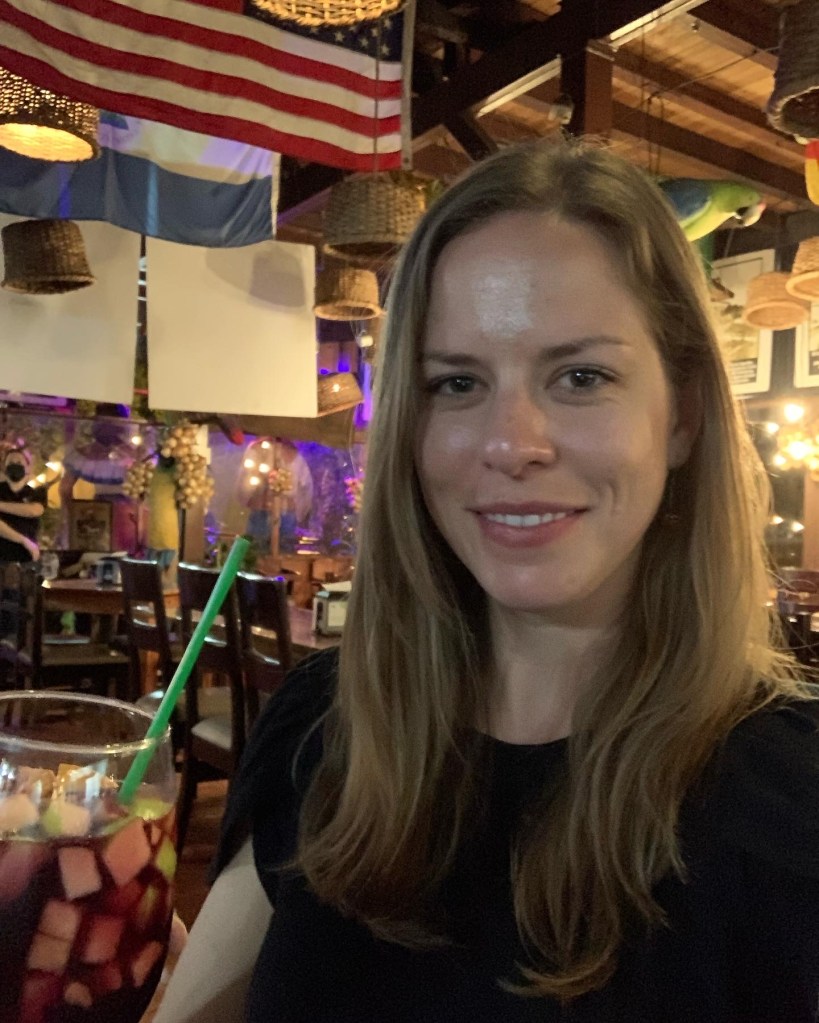
On my walk back around 8 or 9 PM, I noticed several unsettling looks from locals standing outside clubs. I did my best to appear unbothered and unafraid, making it back without issue, but I noted to myself: always be extra careful when alone at night.
But it was that conversation with Rodrigo on day two that stayed with me most powerfully.
Lessons Beyond Paradise
Travel writing, especially in the style of National Geographic that I so admire, often romanticizes indigenous wisdom and cultural connections to nature. And those stories are often true and valuable. But Rodrigo’s perspective offered something equally important: the honest, complicated reality of how environmental protection actually happens in the modern world.
Costa Rica’s success isn’t built on everyone being deeply connected to Pachamama or following ancient wisdom (though some certainly are). It’s built on pragmatic recognition that nature has economic value, combined with government policies that protect that value, supported by a culture of adaptation and resourcefulness.
This doesn’t make Costa Rica’s achievements less impressive. If anything, it makes them more applicable. Not every country can claim indigenous environmental philosophy as its foundation, but every country can recognize economic opportunity and adapt its policies accordingly.
The paradise exists—that part wasn’t a lie. But it exists not because Costa Ricans are somehow more enlightened than the rest of us, but because they found a way to make preservation work within the systems that actually govern how modern societies function: economics, tourism, and strategic policy.
Sometimes the most important thing a local guide can do isn’t show you the beautiful parts of their country. It’s to challenge your assumptions about why that beauty persists, and in doing so, reveal paths forward that you hadn’t imagined.
Next in the series: Solo in Sámara – Surf Lessons, Crocodiles, and the Realities of Pura Vida

 Journeys on Earth