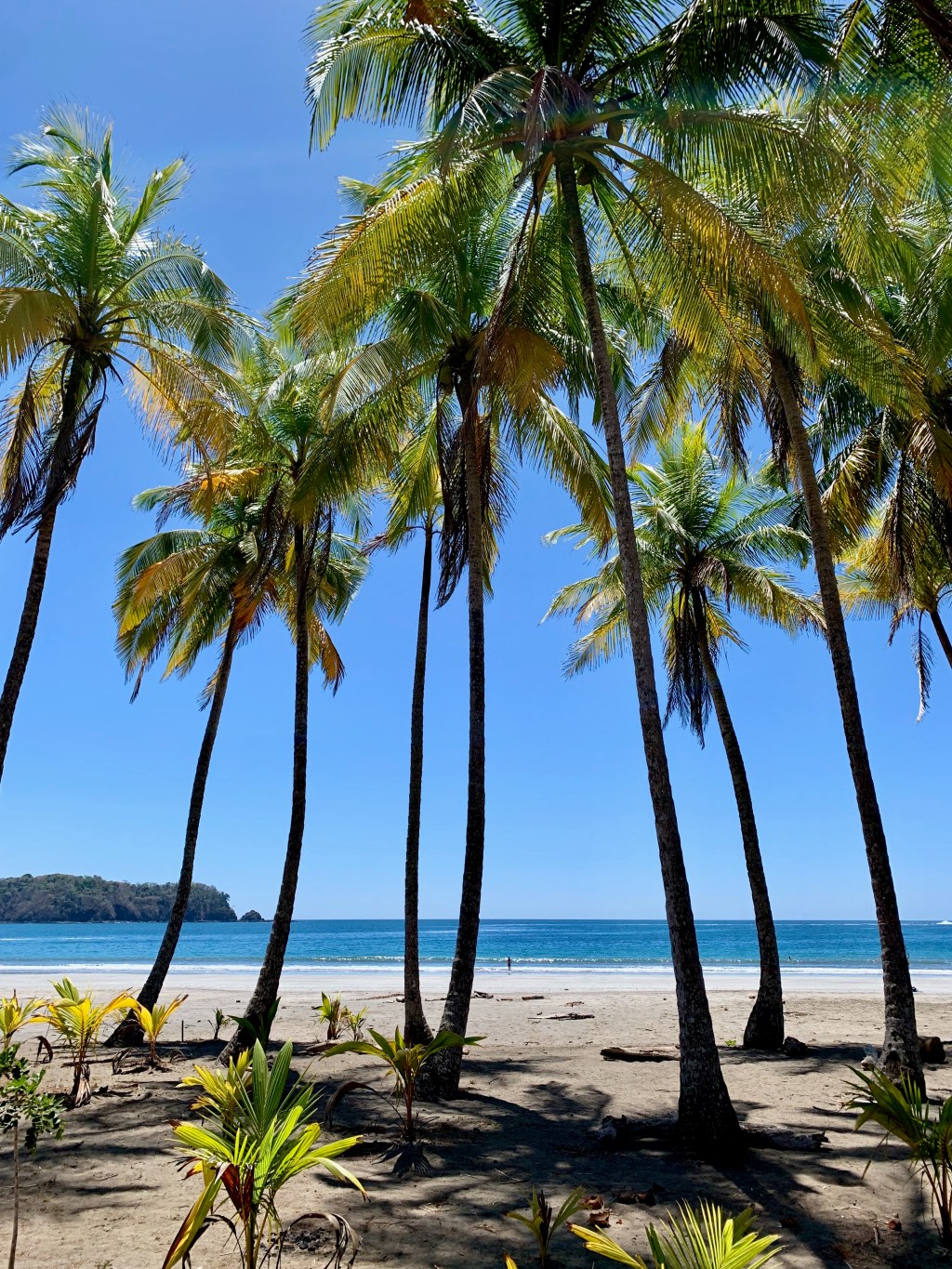
Since this was my first trip abroad, I’d wanted to make the most of it and see as much of the country as possible. I’d booked two locations, thinking that getting around in a country the size of Ohio would be quick and easy.
How could it be otherwise?
On the morning of day four, I checked out of my San José Airbnb and took an Uber to the car rental place where I’d reserved a vehicle weeks earlier. I was looking forward to a road trip—I’ve always believed it’s the best way to experience what life is really like for people in a place.
The drive, navigated using the Waze app as recommended by travel bloggers, was its own adventure.
Sámara is on the Nicoya Peninsula, 57 kilometers south of the party town of Tamarindo. It’s less developed, with an uncrowded crescent-shaped beach that offers a little bit of everything: swimming, snorkeling, sea kayaking, and nightlife. No mega-resorts, just a few local restaurants scattered east of the Lagarta River.
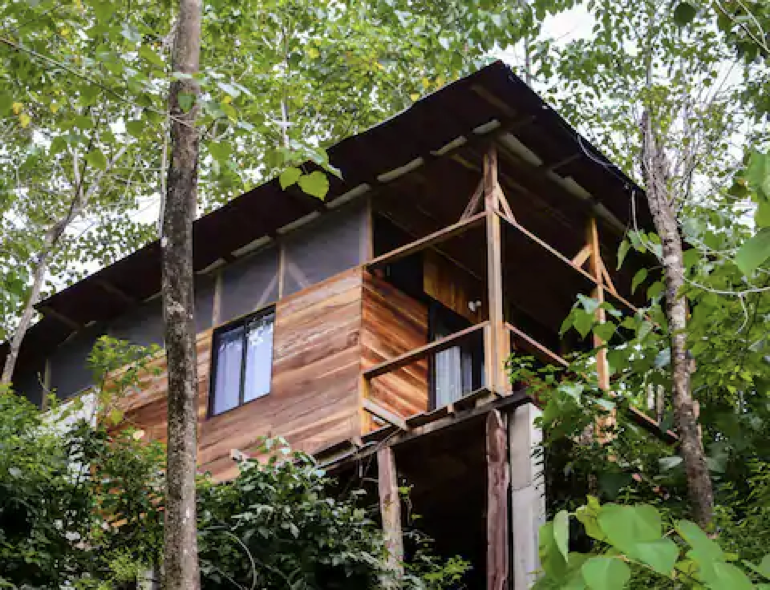
The “treehouse” I’d booked was a unique, rustic wooden cabin with a wonderful valley view, filtered drinking water, a small fridge, and a terrace surrounded by trees and nature. There was a shared outdoor kitchen and rancho. The property had two other treehouses occupied by college students enjoying spring break. A five-to-ten-minute bike ride would take me to the beach and town center.
The Loneliness of Paradise
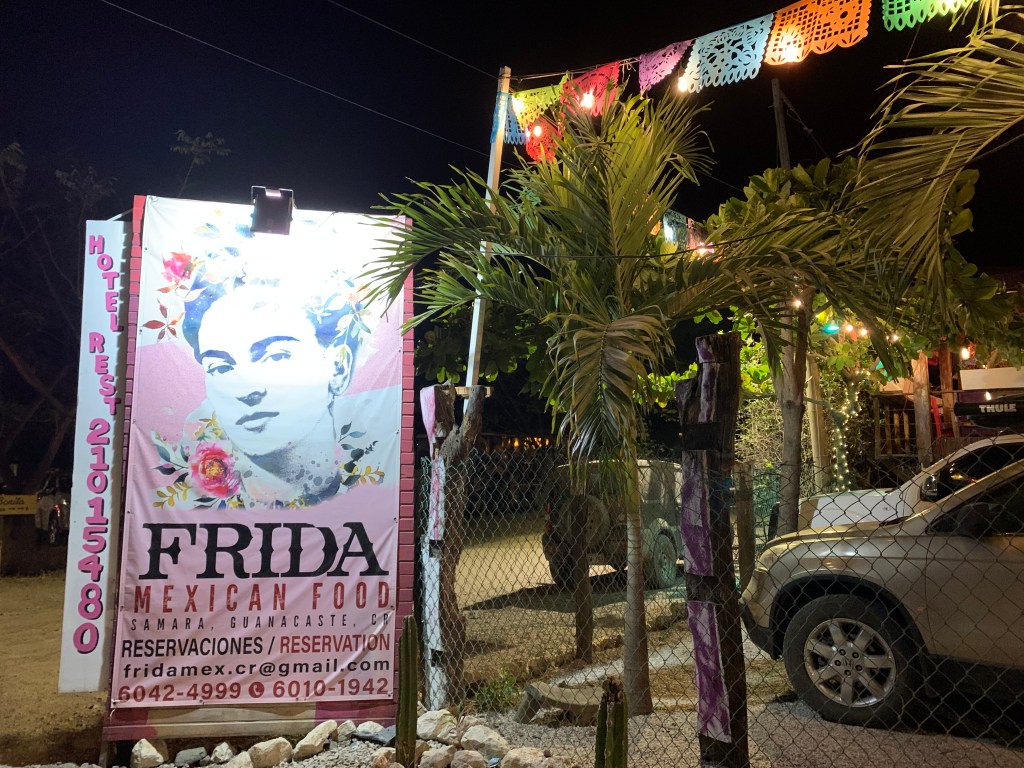
Once I got settled in, I walked along the dusty road to a restaurant called Frida, named after Frida Kahlo. It was a nice casual dining spot, and I felt a little self-conscious dining alone, seeing other tables occupied by couples or groups. I worked to use logic to override the emotional insecurities bouncing around in my mind.
My first full day in Sámara didn’t start well. I’d barely slept with all the noise—howler monkeys, insects, cars on the road during the night, and then roosters crowing far too early in the morning. This setting definitely takes some getting used to.
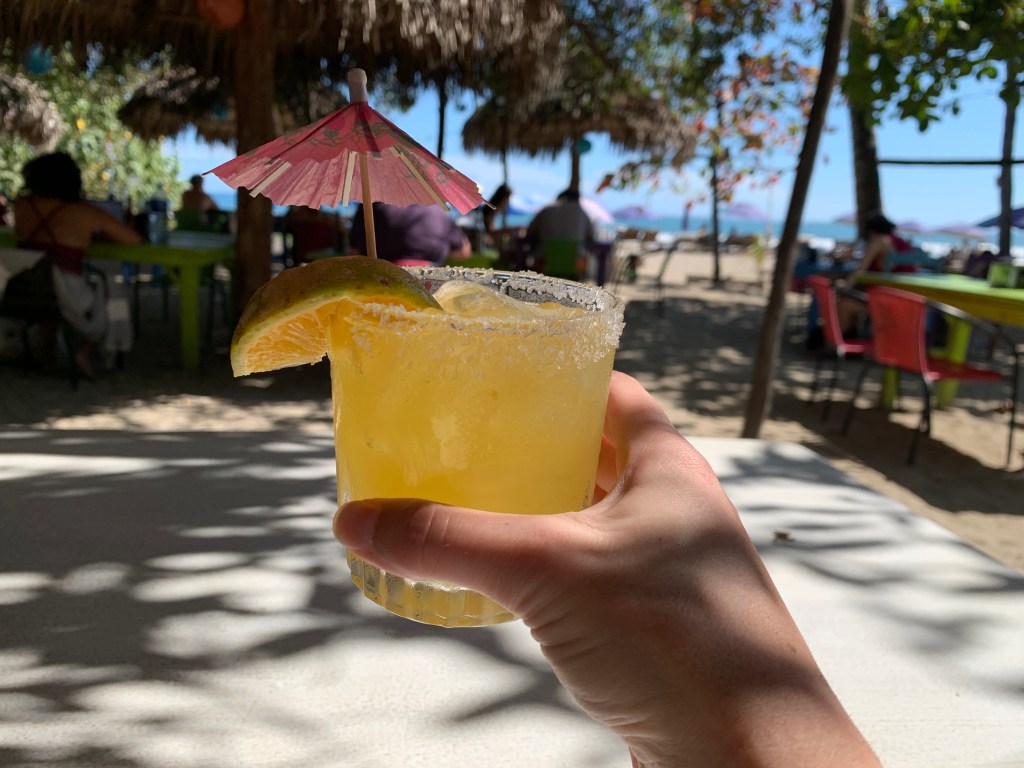
But I went out to the beach early for a walk, then came back to the treehouse to drink coffee and read “The Lacuna” by Barbara Kingsolver, with a view of the farm on the other side of the hill. Later I rode a bike to the beach, went for a swim, and ended up at a beachside restaurant where I had perhaps the worst margarita I’ve ever tasted—watery lime juice with so little tequila I’m not sure there was any—and maybe the worst burger I’ve ever had, served on a green bun, possibly for St. Patrick’s Day.
I bought some rosé at the store on my way back, thinking I’d just stick with Frida restaurant from now on. At least the food and drinks there were delicious.
Honestly, I got into a bit of a negative headspace that day. I felt like the only solo traveler out here, wishing I had someone on this trip with me. Solo travel can be lonely at times, but I was determined not to waste this experience.
So I booked a surf lesson for the next day.
Wait for the Crocodile to Pass
I drove over to Playa Carrillo and went swimming in the small crescent bay before meeting my surf instructor. I remember thinking to myself that this was paradise—there was no way there could possibly be sharks here.
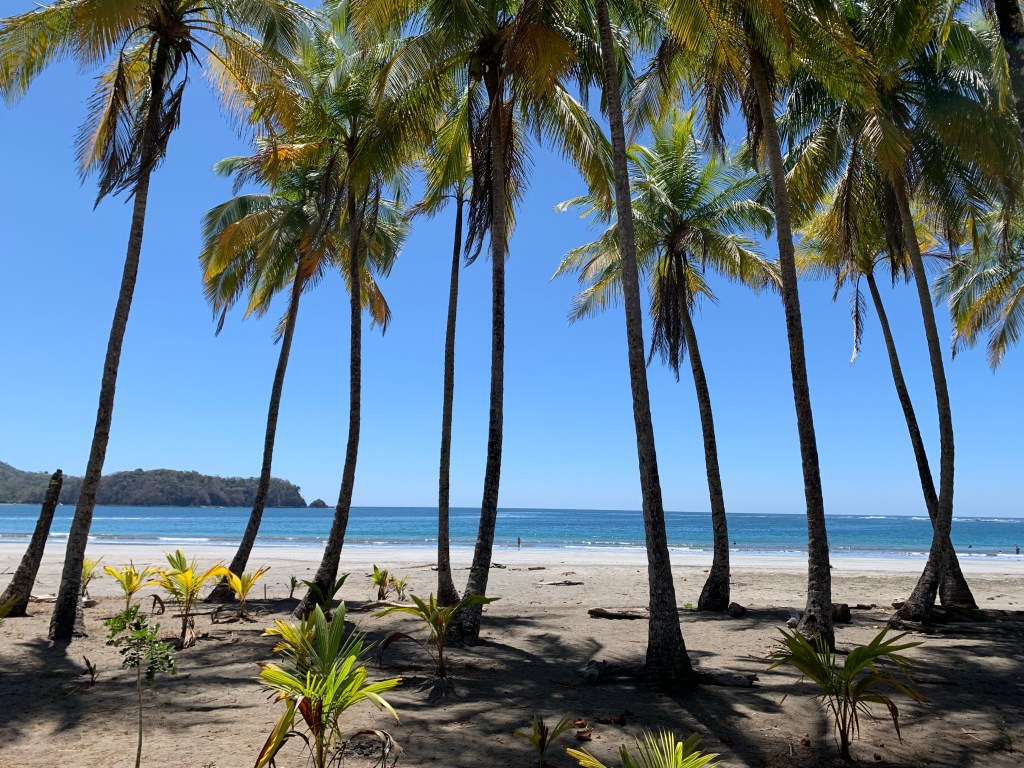
Then I met Johnson from Chillasana Yoga Surf, and after he had me practice paddling and standing up on the beach, we made our way toward the water line. He paused before entering, scanning the waves.
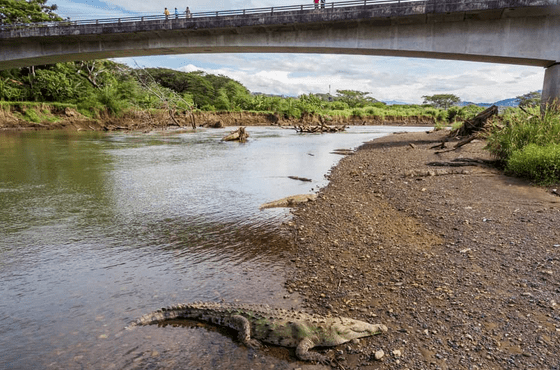
“There’s a crocodile swimming just beyond the break,” he said calmly.
I couldn’t see it, but felt alarmed to learn that while there may not be sharks at this particular beach, another predator lurked nearby.
Johnson was exactly what I would expect a surf instructor to be: patient, relaxed, embodying the pura vida spirit. He’d lived in Puerto Carrillo all his life and was able to give me the local perspective on Costa Rica in ways that went far beyond surfing.
The two-hour session was much more challenging than I’d anticipated—surfing demands strength, balance, timing, and a willingness to fail repeatedly in front of your instructor. But toward the end, as we rested on our boards, Johnson asked what I do for work.
“I’m an environmental scientist,” I told him.
His eyes lit up. What followed was one of the most fascinating conversations of my entire trip.
Protected Predators and Climate Consequences
“Crocodiles are very protected in Costa Rica,” Johnson explained. “They’re very common in mangrove areas. If someone kills a crocodile, they’ll go to jail for a few years.”
He paused, then added something that made my scientist brain immediately perk up.
“The situation is becoming more dangerous due to climate change. The sex of crocodile eggs is determined by the temperature of the sand. With global warming, more crocodiles are being born male. That means more aggressive behavior—they fight each other and expand their territory.”
Here was climate change, not as an abstract future threat but as a present reality affecting daily life. More male crocodiles meant more aggression, more territorial disputes, more encounters with humans in places they’d never ventured before.
“Turtles and their nesting grounds are very protected too,” Johnson continued. “At the next beach south where I usually surf, there’s a large protected area for turtles. The downside is that it attracts more sharks.”
I asked what kind of sharks.
“Bull sharks and tiger sharks—they like warmer waters. No great whites here. But the bull sharks make me particularly nervous because they like to come close to shore.”
So much for my naive assumption about no sharks in paradise.
The Other Predators
As we talked, Johnson mentioned pumas and jaguarundis in the area—wild cats that still roam the forests surrounding these beach towns. The jungle wasn’t just scenic backdrop; it was alive with creatures that had been here long before the tourists arrived.
When I asked about sea level rise, Johnson told me about a significant earthquake in the ocean in 2013 that had actually caused water levels to recede in some areas. The relationship between geological events, climate change, and coastal change wasn’t simple or linear—it was complex, unpredictable, filled with variables scientists are still working to understand.
The Darker Side of Paradise
Then our conversation took a more sobering turn.
“In my opinion, Guanacaste is the only safe province in Costa Rica now,” Johnson said. “Drug cartels are beginning to come to other areas. They hire hitmen who kill people in San José.”
This was a far cry from the tourist brochure version of Costa Rica. Johnson’s Costa Rica included violence, corruption, and the same problems plaguing much of Central America—problems that ecotourism brochures conveniently omit.
He talked about the president from the previous four years with visible frustration.
“He was horrible. He raised taxes on food and gas during the pandemic when many people didn’t have jobs due to lack of tourism. He’ll be tried and probably convicted, sentenced to nine years in prison. All Ticos want him to go in prison forever.”
The pandemic had devastated Costa Rica’s tourism-dependent economy, and the government’s response had been to squeeze struggling citizens even harder. It was a reminder that the nature-based economy Rodrigo had described in San José had a dark side too—when tourism collapsed, so did people’s livelihoods.
The Philosophy of Wild Things
On my last day, I drove from Sámara back to San José to return my rental car and head to the airport. I was the only passenger on the shuttle to the airport, and the shuttle driver, Emilio, filled in more pieces of the puzzle during our ten-minute ride.
He talked about the differences between Costa Rica, Panama, and Nicaragua, and shared something that struck me deeply: the Tico philosophy on wildlife.
“Here, we don’t believe in zoos or aquariums,” he said. “The animals belong in the wild.”
This was a sharp contrast to the economic pragmatism Rodrigo had described. Yes, Costa Rica protected nature because tourism demanded it, but there was also a genuine philosophical commitment underneath—a belief that wild things should remain wild, that captivity is inherently wrong regardless of educational value.
“The environmental protections aren’t as stringent in our neighbors,” Emilio explained. “Costa Rica is really the only one focused on tourism. Panama only cares about the canal. In Nicaragua, they eat everything—even the iguanas.”
He recommended that next time I visit, I should end my trip in La Fortuna to rest after all the activities demanded by other parts of the country. He was from Puntarenas and said it’s common for people who live and work in San José to escape to the beach on weekends.
When I asked if the Caribbean side was dangerous, he said Limón was “like Jamaica, not too bad.”
I mentioned the smoke I’d seen rising from several areas around the country during my drive. “It’s so dry now that fires start easily,” he explained. “Also, some landowners will burn their grass instead of cutting it.”
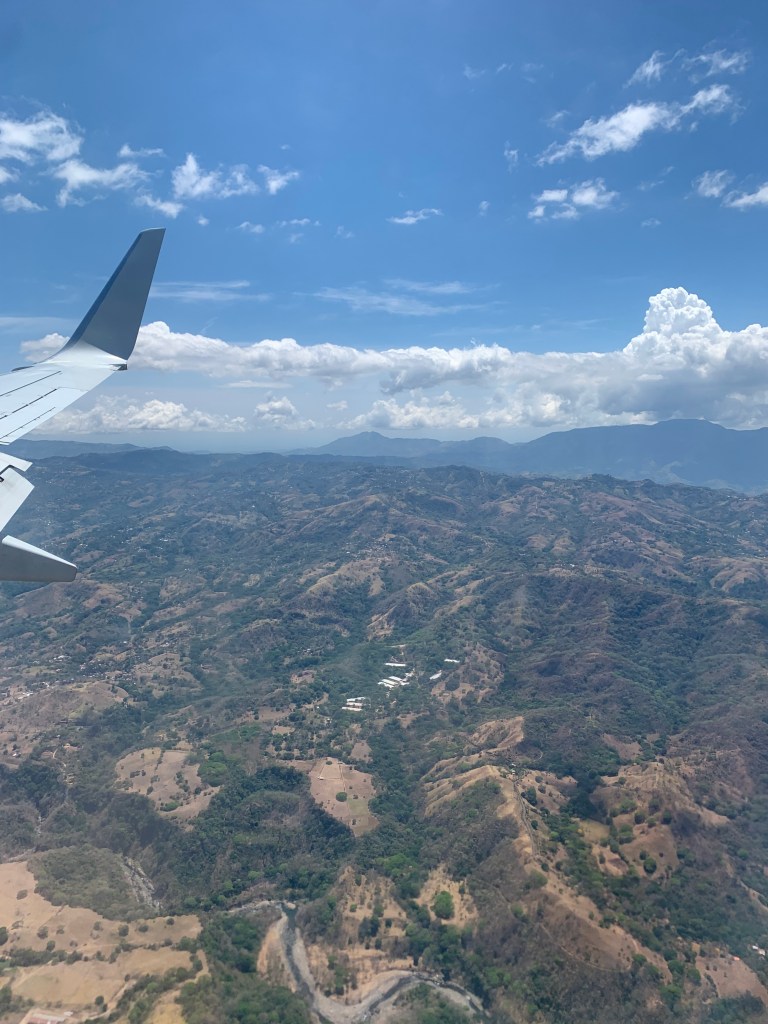
Even in a country known for environmental protection, shortcuts and unsustainable practices persist.
What I Didn’t Learn
At the end of my trip, I noted something significant: I had not met any Costa Rican women. Only men had helped me and guided me through this journey—Rodrigo, Johnson, Emilio, the taxi drivers, the Airbnb hosts who sent their husbands to greet me.
I wish I could have talked to some women as well, just to get their perspective. Perhaps they’re not in the tourism business as much, or perhaps it was completely by chance that my hosts weren’t there when they might otherwise have been, and the wives of other hosts sent their husbands to do the tours instead.
But this absence is itself information. It tells me something about gender roles in Costa Rican tourism, about who has access to these economic opportunities, about whose stories get told to visitors like me.
The Paradise That Really Exists
My discoveries in Costa Rica were mostly correct—it is a place of extraordinary natural beauty, of forests and beaches that take your breath away, of wildlife that lives free rather than behind bars. But as with many things, the adventure came with both positives and drawbacks.
The paradise exists, but it’s complicated. It’s protected by economic incentive as much as environmental philosophy. It’s threatened by climate change in ways both obvious and subtle. It’s built on a tourism economy that can collapse overnight, leaving people desperate. It coexists with crime, corruption, and the same human problems found everywhere.
What makes Costa Rica special isn’t that it’s perfect—it’s that it found a way to make conservation work in an imperfect world. It’s that people like Johnson can make a living teaching tourists to surf while also understanding the ecological complexities of the waters he works in. It’s that drivers like Emilio genuinely believe animals belong in the wild, even as he acknowledges his country’s environmental shortcomings.
The lesson of Sámara wasn’t that paradise is a myth. It’s that paradise is real but messy, protected but threatened, beautiful but complicated.
And honestly? That makes it more worth protecting, not less.
Solo Travel and Seeing Clearly
Solo travel forced me to engage with these complexities in ways I might not have if I’d been distracted by a companion. Dining alone made me more observant of the people around me. The loneliness pushed me to book that surf lesson, which led to the conversation with Johnson that taught me more about climate change impacts than any academic paper could have.
The discomfort of being alone in an unfamiliar place—where I didn’t always speak the language fluently, where I had to navigate on my own, where I sometimes felt unsafe—that discomfort opened my eyes to nuances I might have missed if I’d been comfortable.
Would I recommend solo travel in Costa Rica? Yes, but with clear eyes about what you’re walking into. It’s not the sanitized paradise of nature documentaries. It’s a real country with real problems, making real efforts to balance economic survival with environmental protection.
And that real version—messy and complicated and sometimes scary—is far more interesting than any tourist brochure could ever be.
As I boarded my flight home, I carried with me not just photos of beautiful beaches and lush forests, but a more complete understanding of what sustainability actually looks like in practice. It looks like crocodiles expanding their territory due to warming sands. It looks like surf instructors who can discuss climate impacts while teaching you to ride waves. It looks like economic systems that align self-interest with conservation, even when the alignment isn’t perfect.
The world we’re trying to save isn’t a pristine wilderness untouched by human hands. It’s a complicated, interconnected system where humans, animals, economies, and ecosystems all struggle to find balance.
Costa Rica taught me that the goal isn’t to remove ourselves from nature or to pretend we can return to some pre-human paradise. The goal is to find ways to live that allow wild things to remain wild, even as we participate in the systems that sustain us.
Sometimes you have to wait for the crocodile to pass before you can enter the water. But once you do, the lesson is worth learning.

 Journeys on Earth